Walking a senior dog with company
Grey muzzles deserve good walks too. The pace changes, but the joy of a proper sniff and a bit of company does not.
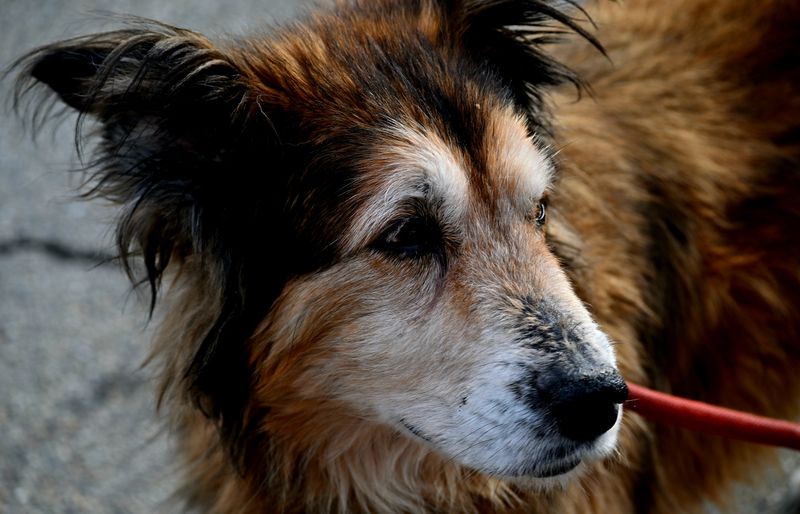
There comes a day when you notice your dog doesn't bound up the hill quite like they used to. Maybe they pause at the stile, or they take a long time over a single lamp post. It can tug at the heart a little.
We've been there with our own dogs. What we've learned is that older dogs still love their walks, they just want them done differently. Slower, calmer and with plenty of time to read the news in the grass.
What changes with age
Every dog ages differently, and breed, size and health all play a part. Some stay sprightly into their teens, while others slow down earlier. You know your dog best, and your vet knows the medical side.
Common things owners notice include stiffness after rest, a shorter stamina, less keen hearing or eyesight, and a bit less patience with bouncy youngsters. None of these are a reason to stop walking. They are a reason to adapt.
Shorter, slower, sniffier
A good senior walk is less about distance and more about interest. Sniffing is a proper workout for a dog's brain, and for many older dogs it is the best part of the day.
Try two or three shorter outings instead of one big one. Let your dog choose the speed and the stops. If they want to spend five minutes at one gatepost, that is five minutes of rich, tiring, satisfying dog television.
- Choose flatter routes with soft ground, and avoid long hills if your dog is stiff.
- Pick quieter times of day, when there is less rushing about.
- Carry water, and take cooler or warmer weather seriously. Older dogs can find extremes harder.
- Think about slippery floors, kerbs and car boots, and give your dog a hand or a ramp where needed.
- Keep a lead handy even if your dog is good off it. Hearing and sight may not be what they were.
Why company helps
It's easy for an older dog's world to shrink, and for their person's too. Walks get shorter and quieter, and we sometimes stop going out with other people because we don't want to hold anyone up.
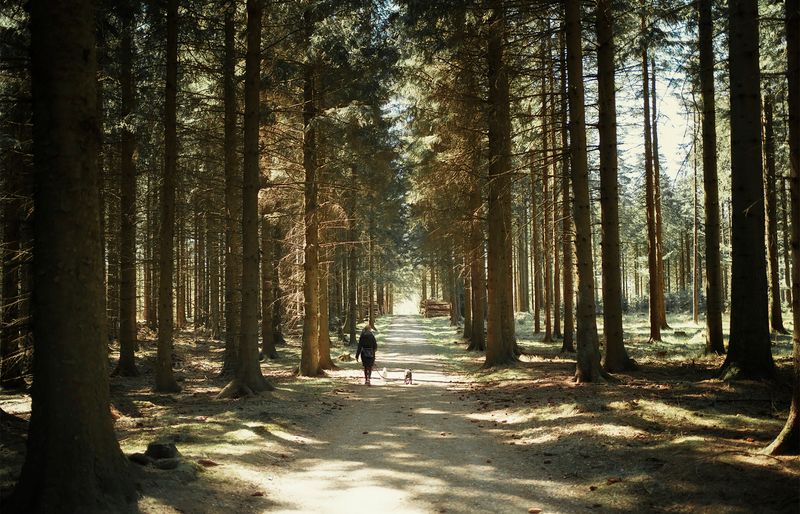
Walking with a friend who is happy to dawdle changes that. You get conversation and a reason to get out of the door, and your dog gets a bit of gentle variety. It keeps both of you ticking along.
And some of the nicest company for an older dog is another steady, mature dog, because they tend to understand the pace without being told.
What a Senior / slow walk is
On Packmates, Senior / slow is one of the walk types an organiser can pick. It signals an easy pace for older legs and serious sniffers. Organisers often add tags such as Slow pace, On lead and Calm welcome to say more.
- Walk type
- Senior / slow
- Helpful tags
- Slow pace, On lead, Calm welcome
- Good for
- Older dogs, dogs with limited stamina, and anyone who loves a good sniff
- Organiser
- A fellow owner, not a professional or a trainer
Every dog has a profile covering size, energy, lead behaviour and comfort around other dogs, so organisers can see who is coming. If a walk may not suit one of your dogs, Packmates will tell you before you ask, and the organiser makes the final call.
Setting your senior up for a good walk
Be upfront in your request
Say how long your dog can manage, how fast they like to go and whether they need breaks. Organisers appreciate honesty.
Agree a turning point
Decide in advance that you can head back at any time. A short loop with a bench or a car park halfway round gives you a gentle exit.
Let your dog arrive calmly
Give them time to sniff the car park or the entrance before anyone sets off. Rushed starts are harder on stiff joints.
Watch for tiredness
Slowing, lagging, panting heavily or sitting down are signals to stop. Take a rest and head home if need be.
Rest properly afterwards
A soft bed, a drink and a quiet afternoon. Notice how they are the next morning, as tired legs sometimes show later.
If your senior dog is not keen on other dogs
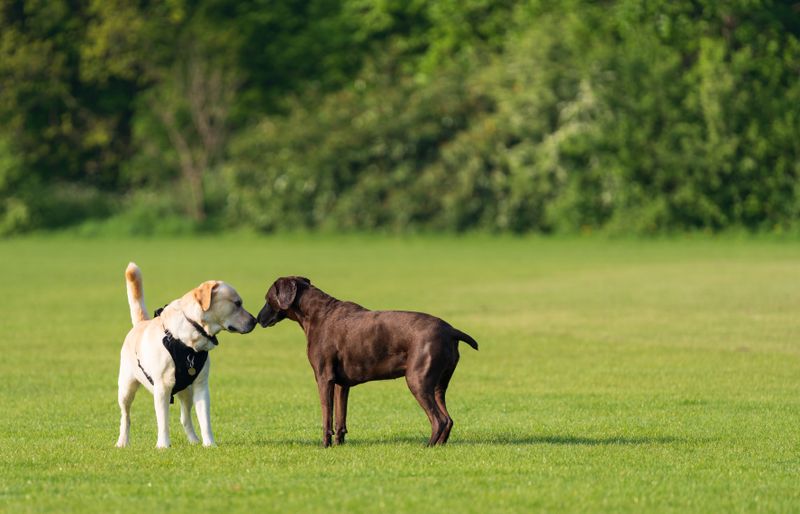
Older dogs can become less tolerant of pushy youngsters, and that's fair enough. A dog who has spent their whole life being laid-back may suddenly want more space.
Keep greetings polite and short, avoid being swamped by bouncy dogs, and give your dog room to walk away. Our guides on reading dog body language on a group walk and Needs space walks explain how to give a dog a bit of breathing room. If a change in tolerance seems sudden, tell your vet, as pain is a common reason.
Our old lab takes about fifteen minutes to get past the first hedge. On our slow walk, nobody minded at all. We even brought a flask.
Enjoying the golden years
Senior dogs have so much to give. They know the good sniffing spots, they appreciate a comfy rest, and they often teach us to slow down too.
Senior walk kit
- Water and a collapsible bowl.
- A well-fitting collar or harness, and a lead you can hold comfortably.
- Soft, easy treats that are gentle on older teeth.
- A towel or blanket for the car.
- Your phone, with the chat open, so you can say if you are running slow.
When you are ready, browse walks near you and look for the Senior / slow type, or post your own and say who you would like to walk with. The RSPCA and Dogs Trust both offer general advice on looking after older dogs, and your vet is always your best first call.