UK outdoor hazards: ticks, adders, algae and grass seeds
The British countryside is lovely, and it is also home to a handful of small hazards that we think are worth knowing about. Here is what we watch for with our own dogs, without the panic.
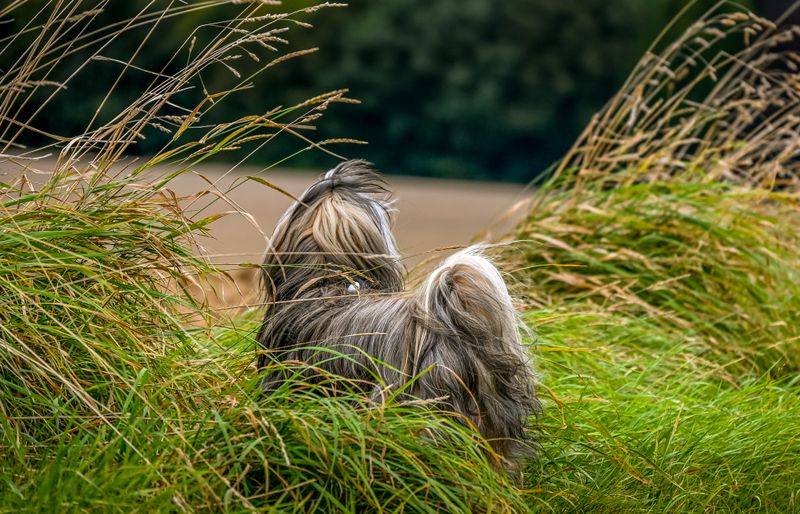
We do not want to put you off a muddy walk. Most dogs romp through fields, woods and water and come home happy. A few habits and a bit of knowledge turn most of these hazards into minor things you notice early, and between us we have learned most of this the slightly muddy way.
We are not vets, so for anything medical, please ask your vet. What follows is the everyday guide we would give a friend in a car park: what to look for, and when to pick up the phone.
Ticks and Lyme disease
Ticks are tiny relatives of spiders that wait on long grass, bracken and woodland edges, then hitch a lift on a passing dog or person. They are most active in spring and autumn, though mild weather can keep them going longer. They can carry Lyme disease, which can affect both dogs and people.
The good news is that a tick usually needs to be attached for a while before it passes anything on, so we make a quick check after each walk part of our routine. Run your hands over your dog, paying particular attention to the head, ears, neck, armpits, belly and between the toes.
Check after every walk
Feel with your fingertips for small bumps. A fed tick can be the size of a pea, and a hungry one can be as small as a poppy seed.
Use a proper remover
Tick removal tools are cheap and easy to find, and we keep one in every coat pocket. Grasp the tick close to the skin and lift it out. Do not squeeze the body, burn it or smother it in anything.
Keep a note
Make a note of the date and where the tick was. Clean the bite area and wash your hands.
Watch your dog
If your dog becomes lethargic, lame, feverish or off their food in the following weeks, tell your vet about the tick.
Ask about prevention
Several treatments exist for protecting dogs from ticks. Your vet can advise on the right one for your dog, and for the time of year.
People can catch Lyme disease from ticks too. If you are bitten, check the advice from the NHS, and see a doctor if you develop a rash or feel unwell.
Adders
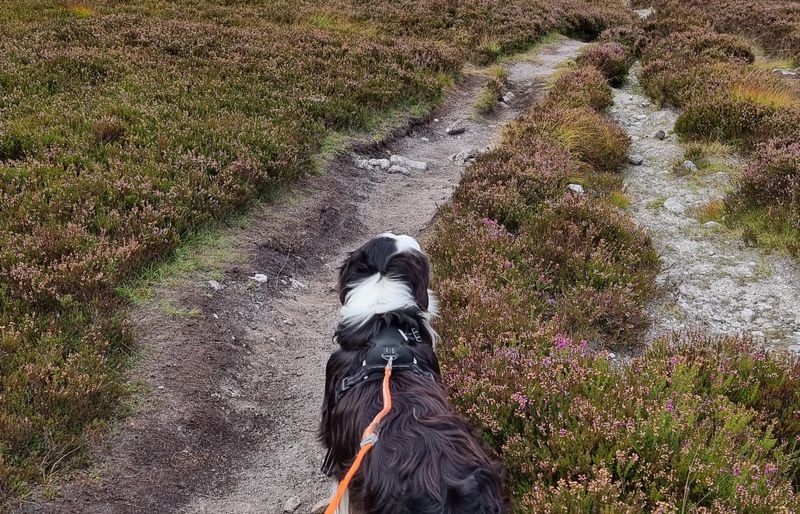
The adder is the UK's only venomous snake. It is shy, rarely bites unless it is trodden on or cornered, and much prefers to slip away. Adders like sunny, open spots on heathland, moorland, woodland edges and rough grassland, and are mostly seen from spring to early autumn.
They have a zigzag pattern down the back and a V or X shape on the head. Nosy dogs, especially those who dive into undergrowth, are the ones that tend to get bitten. Ours are nosy too, so on heathland we stick to the paths.
- Keep your dog on a lead or close in areas known for adders, particularly on sunny days.
- Stick to paths and avoid letting your dog poke into long grass, logs and rock piles.
- If you see an adder, keep calm, hold your dog back and walk away.
- Never try to pick up or handle a snake.
- Remember adders are protected, so leave them be.
Blue-green algae
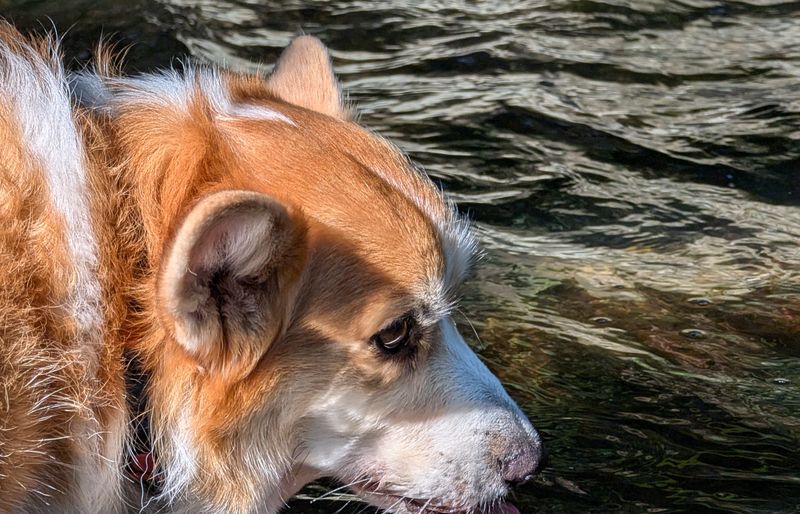
Blue-green algae, properly called cyanobacteria, can bloom in lakes, ponds, reservoirs and slow rivers in warm, still weather. It can look like green paint, scum, or tiny green specks in the water. Some blooms produce toxins that can seriously harm dogs, and even a few mouthfuls or a lick of wet fur can be enough.
Look for warning signs at the water's edge and pay attention to them. If you cannot tell whether water is safe, our rule of thumb is to keep your dog out. Dogs love a swim, but there is always another paddle.
- What to look for
- Green, blue-green or brownish scum, a paint-like film or a pea-soup colour
- When it is most likely
- Warm, calm, sunny weather, often late spring through early autumn
- Signs in dogs
- Vomiting, diarrhoea, drooling, weakness or collapse after being in the water
- What to do
- Rinse your dog with clean water, stop them licking their coat and call your vet at once
- Where to check
- Signs at the site, and the local council or the landowner
Any strange behaviour after a swim is worth a call to your vet, and we would rather you rang for nothing than waited. If you are going out in hot weather, see our guide to walking dogs in hot weather for more on staying cool.
Grass seeds
Grass seeds, especially the spiky ones nicknamed foxtails or grass awns, are a summer and autumn nuisance we have all met at some point. They can lodge in a dog's ears, paws, nose, eyes or coat and work their way into the skin. They are painful, and sometimes they need a vet to remove them.
After a walk through long grass, check between the toes, in the ears and around the eyes. Signs include repeated sneezing, head shaking, licking one paw, squinting or a swollen, sore spot. If you spot any of these, ask your vet.
Other things to keep an eye on
- Antifreeze spills in winter are poisonous. See dark evenings and winter walks.
- Stagnant puddles and ponds can upset tummies, so carry your own water.
- Wild mushrooms and fallen conkers are unsuitable for dogs. Keep nosy dogs away.
- Rubbish and broken glass on paths. Keep an eye out at the edges of car parks and beaches.
- Fireworks season in autumn, when frightened dogs can bolt. Keep them on a lead at dusk.
A little kit, a little habit
After-walk routine
- Run your hands over your dog, checking for ticks and grass seeds.
- Look between toes, in the ears and around the eyes.
- Rinse paws and muddy legs if they have been in water.
- Keep a tick remover in your coat or bag.
- Save your vet's number, and their out-of-hours number, in your phone.
We follow the usual rules for the countryside and we hope you will too, including keeping dogs under control and on a lead around livestock. Our guide to the Countryside Code for dog walkers covers the rest.
We built Packmates partly because walking with company means a second pair of eyes for ticks and a second phone in the car park if things go wrong. If you would like to share the miles, find a walk near you or join the beta. For anything medical, your vet is the best person to ask.