Practising recall around other dogs
Calling your dog away from a game of chase takes more than a good voice. It takes practice, patience and some very tasty sausage.
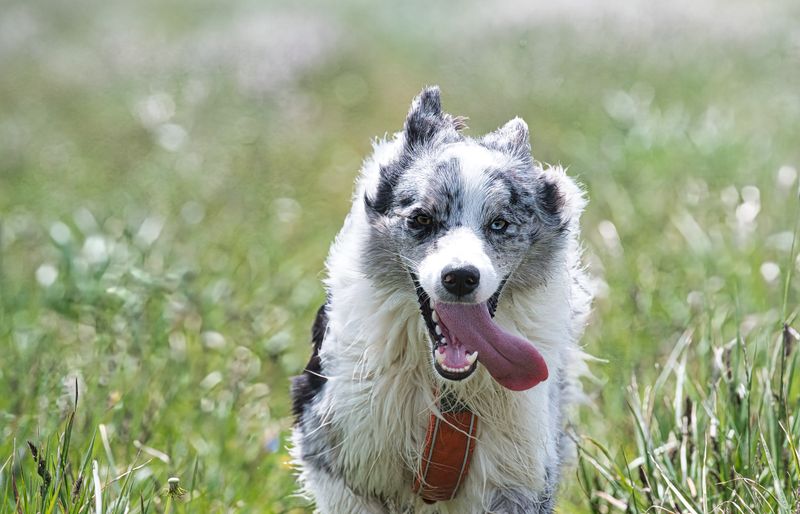
Every dog owner knows the sinking feeling. Your dog spots another dog across the field, ears pricked, and you call them. Nothing. You call again, in a slightly different voice. Still nothing. A third call, now with a squeak. The other owner is watching you with a kind but knowing smile.
We have all been there, and we promise that a lot of dogs who come back brilliantly in the garden forget their own name at the park. It is not stubbornness. It is that other dogs are the most exciting thing in the world, and we are asking our dog to choose us over that.
Why recall around dogs is so hard
Recall is a habit, not a command. Dogs come back when it feels worthwhile, when they know what is being asked, and when they are not too overexcited to listen.
Other dogs raise the stakes. They are more fun than your treats, and the higher the excitement, the less a dog can think. That's why the plan is to build up slowly, so that coming back to you becomes the best game on offer.
Build the basics somewhere quiet
Start in your house or garden, where nothing is competing with you. Pick a happy cue, such as a whistle or a bright "here!", and use it only for coming back. Say it once, in a cheerful voice, and reward your dog the moment they reach you.
Rewards need to be proper rewards. Tiny pieces of something your dog finds amazing, such as cheese, chicken or a favourite toy, beat ordinary biscuits. Make them worth running for.
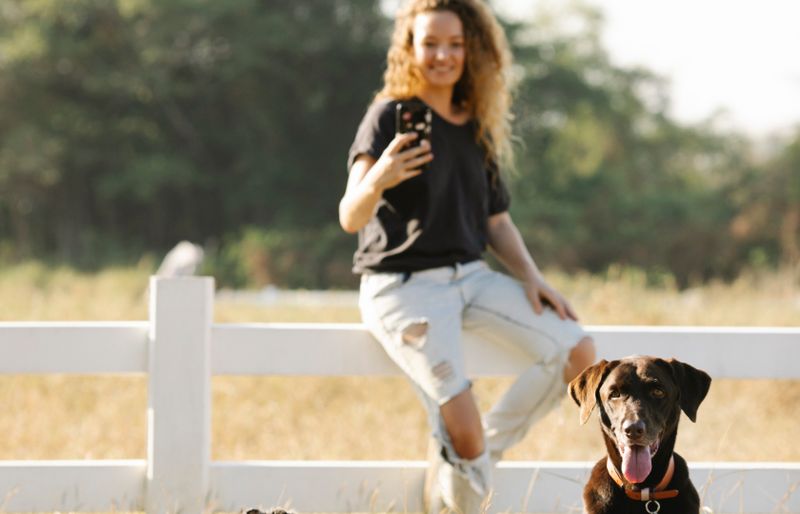
Step by step towards dog distractions
Practise with no distractions
Little and often, in the house or garden. Aim for a dog who flies back to you every single time and thinks it's brilliant.
Move to a quiet outdoor space
Use a long line, a light lead around 5 to 10 metres in length, attached to a comfortable harness. This keeps your dog safe while you practise.
Add mild distractions
Try a squirrel-free corner of the park, a bit of background noise or a person walking in the distance. Reward generously for every success.
Introduce another dog at a distance
Ask a friend with a calm dog to stay well back. Call your dog when they notice the other dog, and make coming away a big party.
Shorten the gap slowly
Over many sessions, work a bit closer. If your dog can't respond, you have gone too fast, so increase distance again.
What makes a recall better
- Call your dog only when you think they will come. Calling in vain teaches them to ignore you.
- Reward every single return, especially early on, and sometimes add a game of tug or a bit of freedom as a bonus.
- Never use recall to end the fun and then do something unpleasant, such as clipping on a lead and going home. Mix it up by calling, rewarding, and sending them back to play.
- Do not chase your dog. Turning and walking away often makes you more interesting.
- Never tell your dog off when they come back, however long they took. That teaches them that returning is a bad idea.
If you have a dog who is a bit of a bolter, or you are unsure how to begin, a qualified trainer can help you build this properly. Look for someone who uses rewards, and ask about their methods. The Animal Behaviour and Training Council lists registered practitioners, and the Kennel Club has a range of general training information.
Training walks on Packmates
Training is one of the walk types on Packmates. It's for owners who would like to practise recall or lead manners alongside other people who are doing the same. An organiser posts the walk, you ask to join, and once you are approved, you agree a time and a public meeting point privately.
Organisers are fellow dog owners, not professional trainers, so please think of a Training walk as supported practice, not a lesson. It's a lovely way to try your recall with realistic distractions, in company, with people who understand.
- Walk type
- Training
- Good tags to look for
- On lead, Calm welcome, Slow pace
- What it is
- Practice alongside other owners, not a class
- Who decides
- The organiser approves requests, and you decide what is right for your dog
Practising together, kindly
A little teamwork goes a long way. Agree the plan with the group first, so that everyone knows who is working on what. Keep long lines tidy and clear of other people and dogs, and give space to anyone whose dog is struggling.
Ready for a practice walk
- A well-fitted harness or collar, and a long line with a clip you trust.
- A pouch of very tasty treats, cut into tiny pieces.
- A toy, if your dog loves one.
- A clear message to the group about what you are practising.
- Realistic expectations. Success today might be a two-second glance back at you.
Remember that your dog may find some dogs harder to leave than others. Learning to spot when they are getting too wound up is part of the skill, and our guide to reading dog body language on a group walk can help. If your dog is anxious or reactive on the lead, our post on Needs space walks might suit you better to start with.
I used to dread the park. With a long line and a few patient friends, my terrier now checks in with me before she runs off. We are not perfect, but we are miles better.
It's a long game, and every good recall is a small win. When you feel ready for company, find a walk near you or join the beta and see who else is practising nearby.