Walking the Chilterns with your dog
The Chilterns are one of those places that make you glad you own a dog. Rolling chalk hills, old beech woods and long views, all within a morning drive for millions of us.
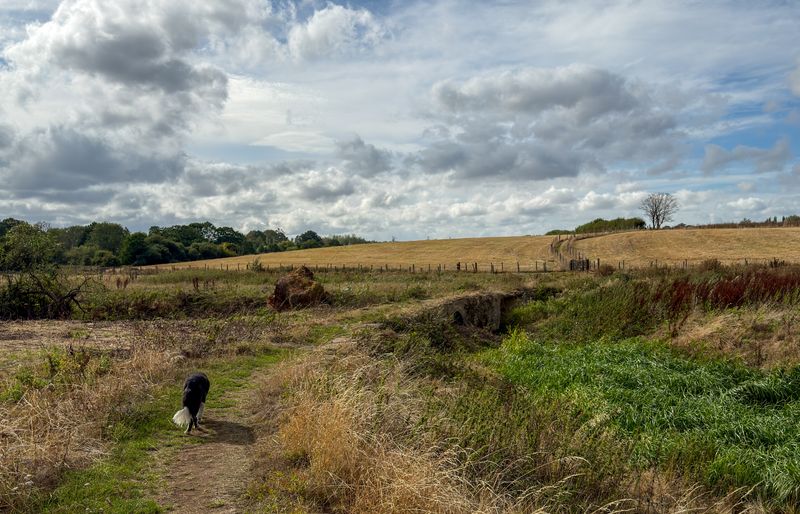
We love a Chilterns walk. There is something about the way the land rises and falls that makes a dog's whole body say, right, what is over there? And then, once you are over there, what is over the next bit?
This is a general guide, not a route planner. We want to point you at some famous places, tell you what to expect, and help you pick a walk that suits your dog. We are a small team of dog owners, not a guidebook.
What makes the Chilterns good for dogs
The Chilterns is a chalk escarpment that runs across parts of Buckinghamshire, Oxfordshire, Hertfordshire and Bedfordshire. It is a designated National Landscape, which tells you that people have been fond of it for a long time.
For dogs, the appeal is simple. Woods are full of smells. Open hillsides are full of space. Paths are often firm underfoot, and many walks can be as short or as long as your legs fancy. You will also see red kites overhead, which are a joy to watch and entirely uninterested in your sandwich.
A few famous places to start with
These are all well known, and well worth a look on a map before you choose. We are keeping the descriptions general on purpose, because paths, car parks and rules change.
Ivinghoe Beacon
A grassy hilltop with a big view, and the point where the Ridgeway National Trail begins or ends, depending on which way you are walking. It is open and breezy, so it suits dogs who like space. It is also exposed, so think about wind and weather.
Ashridge Estate
Looked after by the National Trust, Ashridge is a large mix of woodland, commons and open grassland, with the Bridgewater Monument as a landmark. Deer live here, and livestock sometimes graze, so keep a close eye on your dog and be ready to put them on the lead.
Wendover Woods
Managed by Forestry England, Wendover Woods sits on some of the highest ground in the Chilterns. Expect tall trees, a network of waymarked trails and steady climbs. It is a good one for dogs who like a proper workout, and for owners who like a flask at the end.
The Ridgeway
The Ridgeway is an ancient route, and the Chilterns section is a lovely long-distance path to dip into. You do not need to walk all of it. A few miles out and back is a perfectly respectable day.
- Ivinghoe Beacon
- Open hilltop and Ridgeway end point. Big views, big wind.
- Ashridge Estate
- National Trust woods and commons. Deer and some grazing.
- Wendover Woods
- Forestry England woodland trails on high ground. Good climbs.
- The Ridgeway
- Ancient long-distance route. Dip in for as far as you fancy.
Reading the landscape with a dog
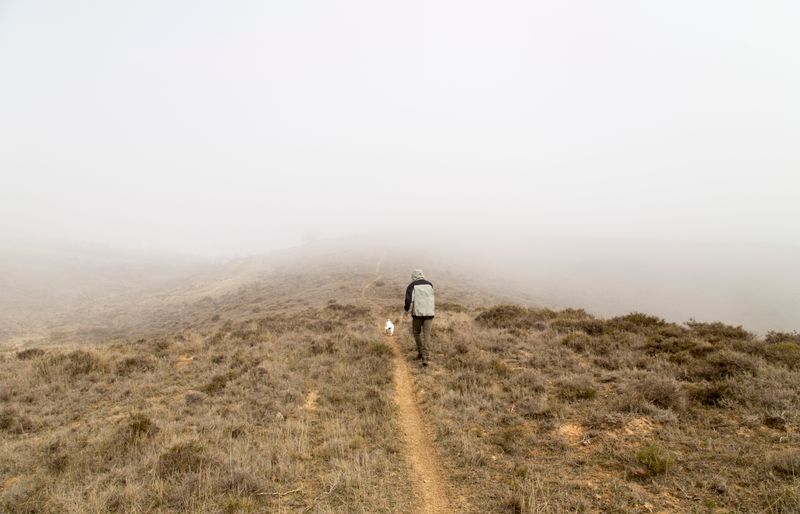
Chilterns land is a patchwork. In a single walk you might pass through woodland, a field with sheep, a stretch of chalk grassland and a village lane. Each one asks something slightly different of you.
- Woods: shady and cool, but watch for deer and for low branches at dog-eye height. Roots and wet leaves can be slippery in autumn.
- Open chalk hills: fabulous for stretching legs. Ground-nesting birds can be present in spring and summer, so stay on paths and keep your dog close.
- Fields and farmland: look for livestock before you open a gate. If you see animals, lead on and leave plenty of room.
- Village lanes: often narrow with no pavement. Lead on, and keep to one side for cars.
Steep bits, mud and paws
Chalk is lovely when it is dry and quite greasy when it is wet. After rain, the steeper paths can turn slippery for both of you, so wear sensible boots. Your dog will have no such worries, which is unfair.
Hilly walks are great for fit adult dogs and less ideal for puppies with growing joints or seniors with stiff hips. For those dogs, look for flatter loops, shorter distances and plenty of rests. If you are not sure, a Senior / slow walk is a sensible choice.
Pick a place and read its page
Check the National Trust or Forestry England site for parking and dog rules before you go.
Choose a loop that suits your dog
Be honest about fitness, age and recall. A shorter walk done well beats a long one that ends in a heap.
Pack for the weather and the mud
Water for your dog, a towel in the boot, and a spare lead for emergencies.
Look ahead, not just down
Scan for livestock, deer and other dogs before you let go of the lead.
Leave it as you found it
Pick up after your dog, bin it or take it home, and close gates behind you.
Livestock, deer and kites
If we could change one thing about dog walks, we would make sure every dog read the Countryside Code. Since that is not possible, it is down to us. Keep dogs on a lead around livestock, and do not let them chase deer, even in play. If cattle approach you, let go of the lead rather than being dragged. It is the safest option for you and for your dog.
Our Countryside Code guide goes into this in more detail. It is worth five minutes before your first big countryside walk.
Not going alone
Hills are better with company. If you live in the area, you could post a walk on Packmates and say which loop you are doing. If you are visiting, you can search the town on our walks page without changing your home area, and see whether anyone local is heading out.
If nothing is posted, post a walk, tick Flexible on time, and see who says hello. Once the organiser approves a request, agree a public car park or a clear gate as the meeting point, and keep the walk type honest, so people know whether it is a Just a walk or a Needs space outing.
Chilterns day-out checklist
- Check the site page for parking and dog rules.
- A secure lead, plus a long line if your dog is a wanderer.
- Water and a collapsible bowl.
- Poo bags, with a few spares.
- A towel for muddy paws and a change of footwear.
- A charged phone, and a plan in case signal is patchy.
The Chilterns reward a slow pace. Stop on the top, let the dog sniff, and enjoy the view. We have yet to meet a dog who regretted it.