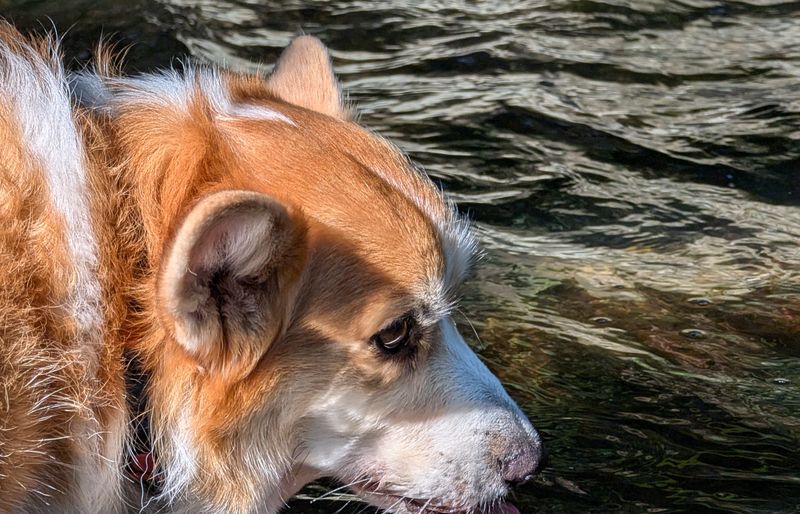
Dog-friendly beaches and seasonal bans, explained
There is nothing quite like watching a dog meet the sea for the first time. There is also nothing quite like arriving at a lovely beach to find a sign saying no dogs. Here is how we avoid the second.
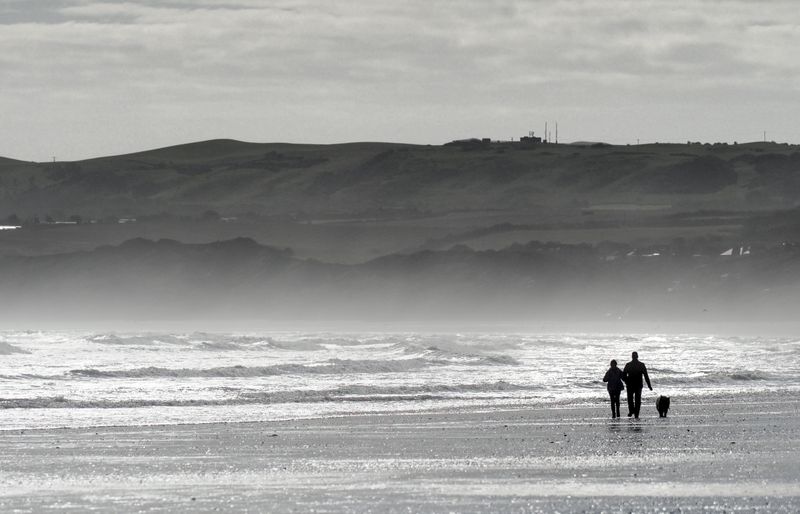
We have all done it. You drive an hour with a boot full of towels, a very excited dog and a flask, only to find the beach has a summer dog ban. Everyone is deflated, and we have been that person. The dog is the only one who does not know what they are missing.
The good news is that bans are easy enough to check, and most come with a nice alternative nearby. A little planning goes a long way, as we have learned.
How seasonal bans usually work
Many councils around the UK restrict dogs on some beaches during the summer months. The reasons are practical: busier beaches, more families and a lot more chance of a dog and a picnic meeting in the wrong way.
The usual pattern we see is a restriction that runs from around 1 May to 30 September. But that is a pattern, not a rule. Some beaches start later or end earlier. Some only restrict certain stretches. Some do not restrict dogs at all.
These rules are usually set by the local council, often through a Public Spaces Protection Order, or PSPO. You may also see a lead rule rather than a full ban, which means dogs are welcome but must be on a lead.
How to check before you go
Find the right council
Search for the beach name plus "council dog restrictions". The result should be a page from the local authority.
Look for dates and zones
Many councils split their beaches into zones, with different rules for each. Check the exact stretch you plan to use.
Check for lead rules
Even when dogs are allowed, you may need to keep them on a lead in some areas or at certain times.
Read the signs on arrival
Signs get updated. They are also the rule that you will be held to on the day.
Have a plan B
We always pick a nearby cliff path, park or woodland so the trip is not wasted if the beach turns out to be off limits.
Why the off-season is best of all
Here is our favourite thing about summer bans. They push the best beach walks into autumn, winter and spring. A seaside walk in October, with a big sky, a wet-sand horizon and not another soul in sight, is hard to beat.
Dogs love a quiet beach, and ours are no exception. They can run, dig and zoom without worrying about deckchairs. Owners can relax, because there is less to dodge.
Tides, wind and cold sea are the things to watch out for outside summer, and we cover those below.
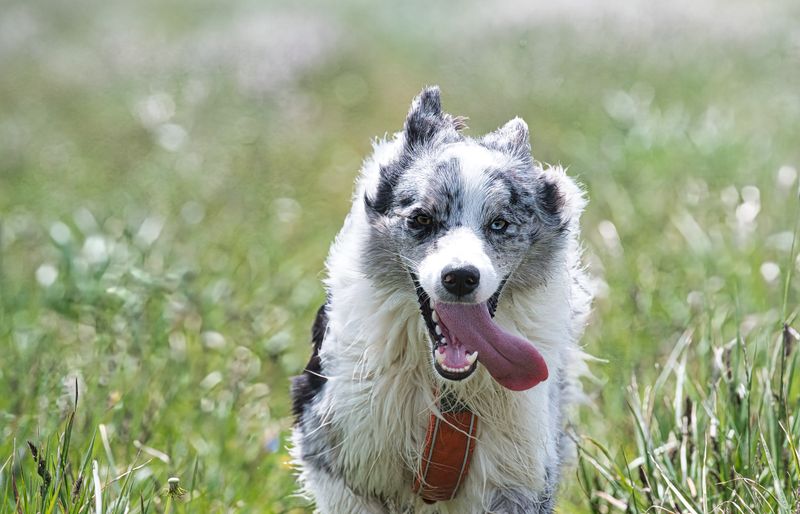
Safety on the sand
Beaches look simple, but they have their own hazards. A few habits go a long way, and these are ours.
- Know the tide times. A rising tide can cut off a stretch of sand faster than you think. Check local tide tables before walking around headlands.
- Do not let your dog drink seawater. A mouthful is rarely a problem, but a lot can make dogs unwell. Bring fresh water and offer it often.
- Watch for hot sand in summer. On sunny days, sand and tarmac can burn paws. If it is too hot for your hand, it is too hot for them.
- Keep clear of cliffs and rocks. Crumbling edges and slippery rock pools are not good for anybody.
- Check for blue-green algae, jellyfish and other warnings. Take signs seriously, and read our guide to UK outdoor hazards for more.
- Respect nesting birds. Some beaches have fenced areas for ground-nesting birds. Keep dogs well away from them.
Beach manners
A beach is a shared space. If you are in a dog-friendly area, other dogs are welcome too, and plenty of walkers, us included, would rather not have a damp Labrador jump on them. Recall matters here. If your dog does not come back reliably, a long line is a friend, and our recall practice guide can help.
Pick up after your dog, even on the sand. Bag it and bin it. Leaving it for the tide is not a plan, and we will keep saying so.
- Typical restriction
- Often 1 May to 30 September on some beaches, but dates vary by council.
- Where to check
- The local council website, then the signs at the beach entrance.
- Common alternatives
- A lead rule, a dog-free zone on part of the beach, or no restriction at all.
- Best bet in summer
- Early morning or late evening where lead rules apply, or a nearby cliff path or park.
Visiting the coast? Look for company
If you are heading to the coast for a few days, we think you might like a local on your side. On Packmates you can search a seaside town on our walks page without changing your home area, and see whether anyone is walking nearby. They will know which beaches are open to dogs this month, and which have the best coffee afterwards, which is exactly the local knowledge we love.
If nothing is posted, you can post a walk yourself and tick Flexible on time. Say when you are around, and which kind of walk you are after. Once an organiser approves a request, you agree the time and a public meeting point privately, such as a car park or a promenade entrance.
Beach bag basics
- Fresh water and a bowl.
- A long line and a standard lead.
- Poo bags, and a bin plan.
- Towels and a dog-friendly coat for chilly days.
- A ball or toy that floats.
- A note of the tide times and the council rules.
Beaches are some of the happiest places a dog can go, and we hope you find your favourite. A few minutes of checking beforehand means you spend the day on the sand rather than reading the sign in the car park.