Your first Packmates walk: a friendly guide to etiquette
Your first walk with new people can feel a bit like the first day at school. A few easy habits help everyone, human and canine, feel at home.
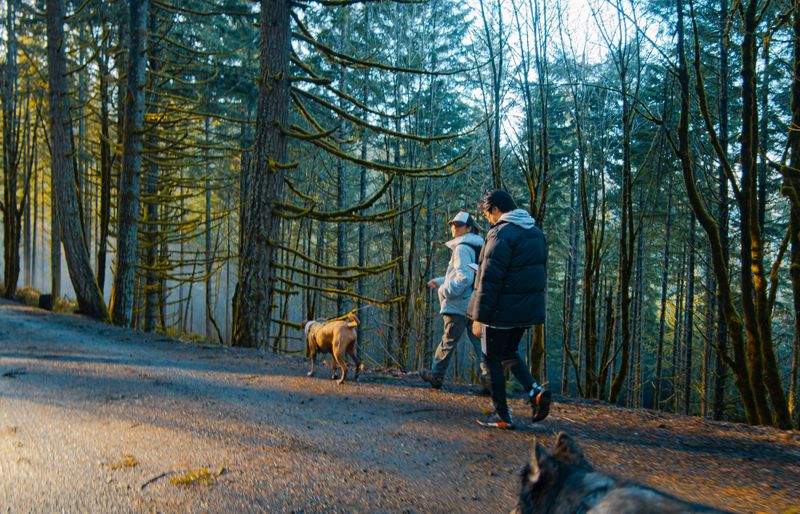
You have found a walk, your request has been approved, and the time and meeting point are agreed in chat. Lovely. Now comes the part that makes even confident people check their coat pockets three times: actually turning up.
We have all been there. This is a guide to the small, kind habits that make a first walk feel easy. None of it is complicated, and none of it is a rule you can be marked down on. It is just what tends to go well.
Before you leave the house
A little preparation makes the first ten minutes much calmer. Give your dog a chance to do their business, and avoid over-feeding them just before. A dog who has had a short sniff-about or a quick wee is more relaxed when other dogs arrive.
Pocket and lead check
- A secure collar or harness and a lead you trust.
- Plenty of poo bags, with a spare or two for forgetful friends.
- Water for your dog, especially in warm weather.
- Treats, if your dog is happy to take them (more on this below).
- Your phone, charged, with the chat open.
- Weather-sensible clothes and footwear for you.
Arriving and saying hello
Aim to arrive a few minutes early so you are not rushing. Rushing makes dogs wound up too. Stand a little way from the entrance rather than blocking it, and look out for the other owner. A wave and a smile do wonders.
Start by introducing the humans. It is surprisingly easier for dogs to settle when their people are chatting calmly. Then let the dogs meet in their own time.
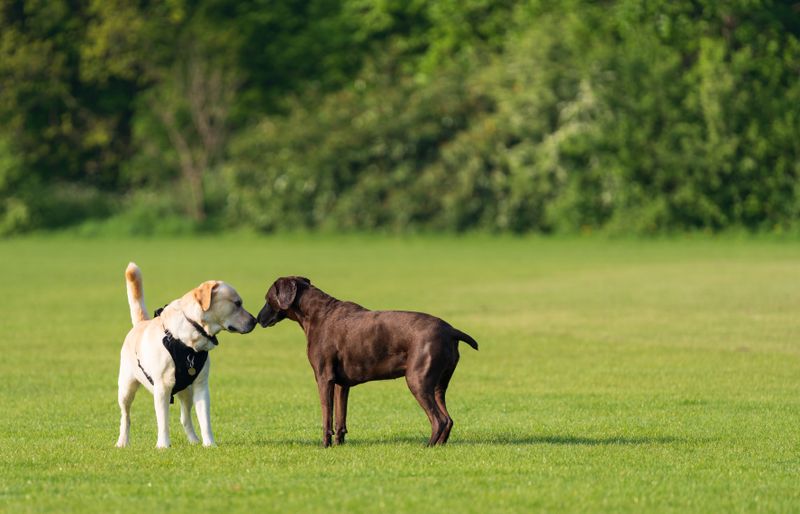
First hellos
- Keep dogs on lead for the first introductions, unless you have agreed otherwise in the listing.
- Let them approach side-on and sniff, rather than head-on and straight at each other.
- Keep the leads loose. A tight lead can make a dog feel trapped.
- Watch the dogs, not your phone. Stiff bodies, hard stares or lots of lip-licking mean it is time to give some space.
- Say what is happening. A cheery "he is a bit shy, so we will go slowly" helps the other owner relax too.
If you are not sure what dogs are saying with their bodies, our guide to reading dog body language on a group walk is a good place to start.
Pace, distance and the rest of the walk
Remember what the listing said. A Slow pace walk is not the time to jog, and a Needs space walk is not the time for off-lead zooms. Following the tags is how you show respect for the people who wrote them.
Once everybody is relaxed, the walk usually takes care of itself. Let the pace match the slowest dog, and keep an eye out for narrow paths where you can walk single file.
Follow the Countryside Code and any local signs about livestock, nesting birds or lead rules. The Countryside Code on gov.uk is a good refresher, and your local council can tell you about lead rules in a particular park or beach.
The little courtesies
Pick up, every time
Always clean up after your dog and bin the bag properly. If you spot something the other dog left behind, a quiet offer of a spare bag is a friendly gesture.
Ask before offering treats
Some dogs have allergies, diets or feelings about food around other dogs. Ask the owner first, and keep your own treats in your pocket if there is any doubt.
Keep your dog close to you
You are responsible for your own dog at all times. Packmates organisers are fellow owners, not professionals, and nobody is looking after your dog for you.
Respect other people too
Other walkers, children, cyclists and runners share the path. A short lead and a smile go a long way.
Stay on plan
Stick to the route and time you agreed. If you need to change something, tell the organiser rather than quietly drifting off.
If things go a little wrong
They sometimes do. A dog might not hit it off with another, a muddy puddle might win, or you might simply not click with the person. That is normal, and it is not a failure.
If you ever feel uncomfortable, trust that feeling. You can leave, you can block someone, and you can report a walk, message or photo to the moderation team. Our support page explains how, and the advice in meeting a stranger for a dog walk safely is worth a read before you go.
If something happens to your dog on the walk, such as an injury or a fright, ask your vet. And if anyone is in immediate danger, call the emergency services.
The best bit was how ordinary it was. We chatted about our dogs, walked a loop, and by the end the dogs were mates and so were we.
Saying goodbye
Don't worry about a grand farewell. A simple thank you and a friendly "same time next week?" (or a polite "lovely to meet you" if you'd rather not) is plenty. If you had a good time, a kind message in chat goes a long way. If it wasn't quite right for you, you're under no obligation to arrange another.
Walks are meant to be a pleasure. If your first one went well, brilliant. If it was a bit awkward, that is perfectly normal too, and the next one will feel easier.
Ready for your first? Find out how to join the beta, and if you'd like the full picture first, start with how Packmates works.